May 30.2025
3 Minutes Read

How Donatos’ Autonomous Pizza Restaurant Will Revolutionize Food Service

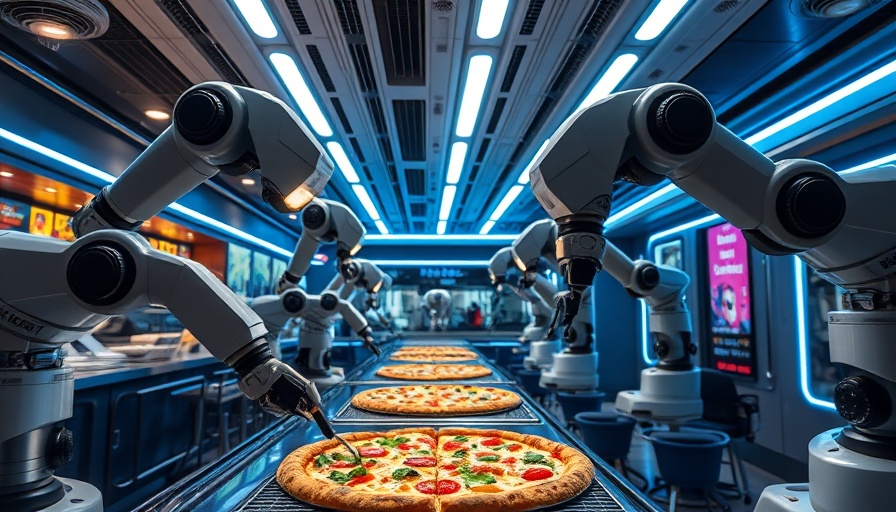
Futuristic autonomous pizza restaurant with robotic arms and sleek design.

Revolutionizing Dining: Donatos’ Autonomous Pizza Restaurant

In a groundbreaking move, Donatos Pizza is set to launch its first fully autonomous pizza restaurant at John Glenn Columbus International Airport, defined by its innovative use of robotics and artificial intelligence. This unique dining experience will begin serving customers in June, and the restaurant will operate 24/7, catering to the needs of busy travelers while maintaining the high quality and service standards that have characterized the Donatos brand for over six decades.

Where Technology Meets Culinary Arts

The collaboration between Donatos, Agápe Automation, and Appetronix embodies a significant advancement in fast food. The restaurant will not only prepare made-to-order pizzas in real-time but also allow customers to witness the entire process through a transparent kitchen. "Bringing this first-of-its-kind autonomous kitchen to life... marks a defining moment for the future of the restaurant industry," remarked Nipun Sharma of Appetronix. The application of AI and robotics ensures high precision and efficiency, enhancing the customer experience without compromising on taste.

Transforming the Fast-Casual Experience

This restaurant exemplifies the shift towards automation in the food service industry. By employing a vending machine-style model, it aligns perfectly with the lifestyle of on-the-go travelers. Passengers at busy airports often prioritize speed and convenience; therefore, the idea of a quick-service pizza outlet operated by robots is particularly appealing. As stated by Kevin King, CEO of Donatos, the goal is to provide not just food but a seamless dining experience for those rushing to catch flights.

The Future of QSR: Insights and Predictions

Experts predict that this venture will set a benchmark for future quick-service restaurants (QSR). The autonomous model can serve as a prototype for expanding into high-traffic areas beyond airports, such as malls and stadiums. The integration of AI marketing techniques will allow Donatos to collect and analyze customer data effectively, tailoring their offerings to meet demand. Such adaptability is crucial as the market inches towards an increasingly tech-centric dining landscape.

Broader Implications for the Food Industry

While the focus is on convenience, this evolution in dining experiences raises questions about labor dynamics within the food service industry. The use of AI and robotics could potentially lead to job displacement in traditional settings; however, it could also create new roles in technology and maintenance within the culinary workforce. The dialogue around this balance is essential as society adapts to technological advances that change the way we think about food, service, and employment.

Enhancing Passenger Experience

Airport officials have welcomed Donatos’ autonomous restaurant as a significant addition to John Glenn International. Joseph Nardone, President and CEO of the Columbus Regional Airport Authority, highlighted how this innovation reflects a commitment to passenger convenience, reinforcing the airport’s focus on enhancing the traveler experience. As food and beverage amenities expand pre-security, the entry of Donatos’ robotic restaurant stands as a model for future initiatives aimed at enriching the airport experience.

Conclusion: The Dawn of Automation in Dining

As Donatos prepares to unveil its autonomous pizza restaurant, the implications of this venture will resonate far beyond just quick meals at the airport. The intersection of fast food and sophisticated technology offers a glimpse into the future of dining, inviting early adopters and tech enthusiasts to witness this exciting change firsthand.

Don't miss out on the latest innovations reshaping our world! Stay informed about future advancements in technology and their impact across industries.

1. AI Fundamentals

6 Views

0 Comments

Write A Comment

*
*
Please complete the captcha to submit your comment.
Related Posts All Posts
04.09.2026

Unlocking Workplace Dynamics: How to Resolve Conflict Between Employees Effectively

Update Why Conflict is a Natural Part of the Workplace In today's increasingly diversified work environments, conflicts between employees are not just common—they're inevitable. Various personalities, communication styles, and professional goals create an intricate web of interactions, where misunderstandings and disagreements can easily arise. The key to thriving in this space isn’t to aim for a conflict-free zone, but to cultivate a culture where conflict is seen as an opportunity for growth and innovation. Leveraging AI for Enhanced Communication Enhancing conflict resolution through technology is increasingly relevant in our digital age. Employing AI-powered tools can facilitate open communication, ensuring that all employees feel they have a voice in discussions. For instance, AI-driven sentiment analysis can identify mood changes in team interactions, allowing managers to nip potential conflicts in the bud. Additionally, AI tools can aid in mediating discussions by providing insights into the stances and priorities of involved parties, enabling a more constructive dialogue focused on finding mutual ground. The Impact of Active Listening Techniques Active listening is fundamental to effective conflict resolution. When managers practice active listening, they not only gather information but also show employees that their viewpoints are valued. This simple act can defuse tension, promote understanding, and pave the way for collaboration. Techniques worth employing include paraphrasing what the other person has said to clarify understanding and asking open-ended questions to delve deeper into the issue at hand. Collaborative Problem-Solving: A Win-Win Approach One of the most effective strategies for resolving conflicts in the workplace is the collaborative problem-solving approach. This method shifts the focus from individual grievances to a shared goal of finding mutually beneficial solutions. By inviting employees to participate in the resolution process, managers can foster an environment of trust and cooperation, leading to innovative solutions that respect everyone's interests. Mediation: A Guiding Hand in Conflict When conflicts escalate beyond what can be managed internally, calling in a mediator can be a great solution. This neutral third party can help facilitate discussions, encourage open communication, and ensure all voices are heard. Organizations like IBM have seen great success using internal mediation programs, resolving a significant proportion of disputes while preserving team morale and productivity. The Road Ahead: Cultivating a Conflict-Positive Culture Ultimately, the goal is not merely to resolve conflicts but to create an environment where differing opinions are welcomed and seen as assets. Fostering a conflict-positive culture involves embedding conflict resolution strategies into everyday practices. Regular workshops on effective communication, empathy training, and conflict management can empower employees to handle disputes maturely and collaboratively. Best Practices for Timely Resolution Swift action is critical in conflict resolution. The longer conflicts are allowed to fester, the more damaging their effects. By creating a protocol for addressing conflicts promptly—like setting aside time every month for team discussions or problem-solving sessions—managers can curb the negative impact of unresolved issues, hence reducing turnover and fostering a better work atmosphere. In conclusion, conflict is an inherent element of workplace dynamics that, when managed effectively, can contribute to growth, innovation, and stronger team cohesion. By implementing structured conflict resolution strategies, leveraging modern technology, and fostering a culture of open communication and collaboration, organizations can turn potential disputes into powerful opportunities for engagement and creativity.

04.07.2026

Creating an Employee Policy Template: Your Guide for the Future Workplace

Update Creating a Modern Employee Policy Template: A Necessity for Today's Workforce In the fast-evolving world of work, a well-crafted employee policy template has become essential not just for compliance but for fostering a vibrant organizational culture. As companies embrace advanced technologies like AI in marketing and content creation, the clarity and intent behind their policies are paramount. Employees need a clear understanding of their roles and rights, outlined through a structured employee handbook. The Foundations of an Effective Employee Policy At the heart of any policy template lies a clear statement of purpose. This sets the tone and reflects your company's mission and values. It's not merely about compliance; it’s about promoting a culture of transparency. A well-articulated purpose helps minimize misunderstandings, paving the way for a cohesive workplace where employees feel valued and understood. Additionally, employment policies themselves should be thorough and straightforward. It’s crucial to ensure that employees fully comprehend their rights and obligations. For instance, with the rise of AI technologies, employers must communicate how these tools are implemented in day-to-day operations while adhering to privacy regulations. Legal Compliance: A Critical Component Regular reviews of these policies are vital for maintaining legal compliance with local, state, and federal regulations. With shifts in laws surrounding employment, especially relating to AI and data handling, organizations must frequently update their employee handbooks. Engaging legal counsel during revisions can help identify any potential pitfalls, ensuring the organization mitigates risks effectively. Promoting a Positive Workplace Culture The inclusion of grievance reporting procedures is another aspect that can significantly enhance workplace culture. Providing a confidential platform for employees to voice concerns fosters trust. This is particularly important in today's workplace, where diverse teams are navigating complex dynamics. Performance Evaluation: Setting Standards Effective performance evaluation procedures not only clarify expectations but also empower employees in their career development. Establishing regular feedback systems can help workers embrace AI tools and other methods to enhance productivity, transforming their contributions into quantifiable outcomes. Aligning with 2026’s HR Trends HR professionals are increasingly focusing on the integration of technology into policy frameworks. As highlighted in recent studies, effective policies should encompass areas such as remote work guidelines, anti-discrimination practices, and the management of workplace conduct, reflecting the shifts in how employees interact with technology and each other in the modern workspace. For example, a social media policy is essential in a world where digital representation can make or break an organization’s reputation. Emerging Technologies and Employment Policies As AI and automation redefine the workplace landscape, integrating these elements into employee policies is not only innovative but necessary. Organizations will benefit from establishing clear guidelines on the usage of AI in everyday tasks, ensuring employees are equipped to adapt and thrive. It becomes crucial to outline expectations regarding AI tools in employee evaluations and during the onboarding process as well. Actionable Insights for Implementation 1. **Regular Reviews**: Conduct annual reviews of your employee handbook to ensure it reflects current laws and practices. 2. **Involvement of Stakeholders**: Encourage feedback from employees to refine policies, creating a document that resonates with your team’s needs. 3. **Utilize Clear Language**: Avoid jargon—favor plain language that makes policies accessible to all employees, regardless of their position in the company. Final Thoughts: Your Path to a Better Workplace In conclusion, developing an effective employee policy template is more than compliance—it's about shaping an environment where employees feel competent, valued, and engaged. By setting clear expectations and embodying a culture of transparency, your organization can navigate the complexities of today's employment landscape while reaping the rewards of a motivated workforce. Consider revisiting your policies regularly, involve leadership, and embrace new technologies to remain at the forefront of workplace innovation. To continue enhancing your organization's employee relations and stay updated with the latest HR trends, engage with our collection of resources or book a consultation with our experts today.

04.05.2026

Why Healthy Conflict Resolution is Essential in Tech-Driven Workplaces

Update Understanding Healthy Conflict Resolution in Today’s Workplace As we navigate through increasingly dynamic work environments, the significance of healthy conflict resolution in organizations cannot be overstated. It promotes open dialogue and organic collaboration, vital for harnessing diverse perspectives. As we continue to adapt to new workplace trends driven by technology and innovation, understanding how to address conflicts healthily is essential. Strategies for Effective Conflict Resolution Healthy conflict resolution hinges on a few fundamental strategies: Active Listening: Listening deeply to comprehend opposing perspectives creates an atmosphere of constructive dialogue. Clear Communication: Expressing concerns transparently using "I" statements can diffuse tension and enhance understanding. Creating a Safe Environment: Building spaces where employees feel free to share their thoughts is crucial for resolving conflicts collaboratively. Both reference articles highlight the importance of these principles, suggesting that they not only pave the way for conflict resolution but also enhance the overall workplace culture. Embracing Conflict as a Growth Opportunity Rather than viewing conflict as a hurdle, organizations should embrace it as an opportunity for innovative thinking. Research indicates that organizations which allow for constructive dissent and conflict are more adaptable and creative. By focusing on collaborative strategies—like co-leading projects or brainstorming sessions—teams not only solve issues but also enhance their relationships and productivity. Conflict resolution thus transitions from court battles and litigation risks to fostering an environment where creativity can flourish. Psychological Safety: The Bedrock of Healthy Conflict Building psychological safety within teams is critical. Employees must feel comfortable raising concerns or opinions without fear of retaliation. This openness not only paves the path for effective conflict resolution but also nurtures a thriving workplace culture—especially in tech-driven environments where rapid changes and innovations are the norm. Encouraging regular team-building and wellness programs could further enhance these aspects, promoting a cohesive work dynamic that supports conflict resolution. Leverage Technology for Streamlined Communication In our tech-savvy age, integrating AI-powered communication tools can significantly enhance conflict resolution processes. Tools designed for collaboration can provide real-time feedback, data-driven insights, and ensure clarity in communication—allowing teams to navigate challenges more efficiently. As the workplace continues to evolve with technological advancements, organizations must stay attuned to using these tools to streamline both conflict management and overall communication. Fostering Emotional Intelligence Among Teams Enhancing emotional intelligence within the workplace is pivotal for effective conflict resolution. Training programs aiming at increasing self-awareness and empathy can significantly improve interpersonal relationships. When team members understand both their emotions and those of their colleagues, they can engage in more meaningful dialogue. This fosters an environment where conflicts become constructive rather than detrimental. The Role of Leadership in Conflict Resolution Lastly, leadership plays a crucial role in conflict resolution. Leaders must set the standard for open communication and healthy dissent. By modeling conflict resolution skills and reinforcing a culture of respect, leaders can guide their teams through conflicts productively. This creates an organizational framework where employees feel empowered to address issues collaboratively. In conclusion, integrating the principles of healthy conflict resolution enhances not only workplace morale but also drives engagement and productivity. As organizations continue to adapt to emerging technologies and the evolving landscape, investing in conflict management strategies will not only solve immediate issues but also foster a more resilient workforce. **Call to Action:** As organizations shift towards a more collaborative culture, now is the time to prioritize healthy conflict resolution strategies—ensuring your team is equipped to handle challenges efficiently and effectively in today’s fast-paced environment.

Terms of Service

Privacy Policy

Core Modal Title

Sorry, no results found

You Might Find These Articles Interesting

T
Please Check Your Email
We Will Be Following Up Shortly
*
*
*