November 17.2026
2 Minutes Read

How Hijacked Optimizely Scripts Compromised Major Websites: Key Security Lessons

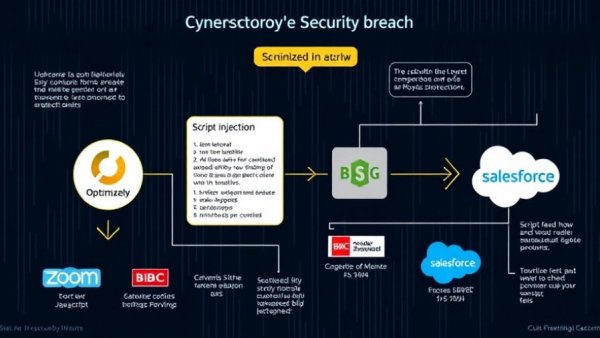
Optimizely Security Breach diagram showing script injection workflow and affected organizations.

Understanding the Security Breach: What Happened?

The cybersecurity community is reeling after a significant breach involving hijacked Optimizely scripts, which led to the exposure of sensitive information for visitors of major platforms such as CNN, BBC, and Zoom. According to security experts, an attacker exploited a critical vulnerability in Optimizely's web experimentation tool to inject malicious JavaScript across approximately 178 organizations. The malicious code was designed to replace cryptocurrency wallet addresses and capture credit card details, though the total number of compromised card numbers remains unknown.

The Malware's Mechanism and Impact

This incident, dubbed "OPTIMJACK," operated through a compromised code snippet that many sites used for experiments. The code was deftly concealed, only becoming detectable during routine security analysis by firms like Report URI and Cynet. This clever hiding technique—such as using base64 encoding—made it challenging to spot the malicious payload unless closely monitored. The scope was vast, implicating noted enterprises like IKEA, HSBC, and Equifax, illustrating the breadth of the threat to online security.

A Call for Supply Chain Vigilance

In light of this incident, the focus must turn to supply chain security—a crucial factor as businesses increasingly rely on third-party services. Future breaches could be mitigated through stricter oversight and tighter security measures across platforms like Optimizely. Organizations need to understand the importance of securing their digital supply chains and ensuring that all third-party scripts are regularly audited for vulnerabilities.

Lessons for Consumers and Businesses

Ultimately, this breach serves as a reminder of the critical importance of cybersecurity hygiene for both consumers and businesses. Regular monitoring of scripts, promptly applying patches, and maintaining open communication with service providers are essential practices. As cyber threats evolve, staying ahead of potential risks requires vigilance and proactive measures in every layer of online interaction.


Cybersecurity Corner

0 Views

0 Comments

Write A Comment

*
*
Please complete the captcha to submit your comment.
Related Posts All Posts
11.17.2026

Google Project Zero's New Bug Disclosure Guidelines: What It Means for Cybersecurity

Update Significant Changes in Bug Disclosure Practices In a surprising shift, Google Project Zero, one of the longest-running bug disclosure initiatives, has announced its plans to shorten the public disclosure timeline for security vulnerabilities from 120 days to just 30 days. This change will take effect over the next 14 months, raising eyebrows among cybersecurity experts and software vendors alike. The Implications of Speedy Vulnerability Disclosure This swift reduction in disclosure time is causing a divide among experts. On one hand, proponents argue that quicker disclosures will compel vendors to address security flaws more rapidly, thereby enhancing overall cybersecurity. By reducing the window of vulnerability, companies may be pressured to fix issues before they can be exploited by malicious actors. Conversely, skeptics worry that this rapid pace might lead to incomplete fixes or overlooked issues, endangering the very users these initiatives aim to protect. The fear is that rushes to patch could compromise software quality, leading to further vulnerabilities down the line. Historical Context: A Decade of Disclosure For over ten years, the 120-day timeline allowed for a thorough understanding of vulnerabilities, enabling vendors to communicate fixes and maintain a level of trust within the cybersecurity community. As the digital landscape becomes more complex, is shortening this time frame truly the answer? With increased attacks on software infrastructures, it's crucial to address this balance between urgency and thoroughness. Looking Ahead: Future of Bug Disclosure As this change unfolds, stakeholders in the tech industry will need to adapt their approaches. Those in leadership roles at software companies must brace for intensified scrutiny. Furthermore, expert opinions cannot ignore the increasing attack vectors against software applications, making swift disclosure more relevant than ever. Decisions for the Cybersecurity Sector Companies should start re-evaluating their patch management processes. Preparing for this shortened timeline could become a competitive edge, offering businesses that embrace speed and quality an opportunity to strengthen consumer trust. This critical juncture calls for innovation in response strategies and better collaboration between developers and security researchers to mitigate risks. In summary, Google Project Zero's decision to slash bug disclosure deadlines invites both promise and challenge in the cybersecurity realm. As companies adjust to this new landscape, the focus remains on maintaining the delicate balance between urgency and maintaining secure systems.

11.16.2026

Italy's €805 Million Fine on Meta: What It Means for Data Privacy

Update Italy Takes a Stand on Data Privacy In a landmark decision, Italy has imposed a staggering €805 million fine on Meta over its handling of user data via its Facebook app on Android devices. This hefty penalty stems from the company's controversial feature that suggests images from users' phone galleries for posting online, automatically accessing these private media files without secure consent. Understanding the Violation The Garante, Italy's data protection authority, ruled that Meta's default settings for the gallery access feature breached Article 122 of Italy's Privacy Code, which mandates explicit consent for accessing intimate personal information stored on mobile devices. With about 20 million Android users affected, the authority observed that default settings not only violated user privacy but also undermined the trust users place in digital platforms. The Road Ahead for Meta Meta has been ordered to take critical actions promptly: by the end of a 60-day window, the platform must ensure this gallery access feature requires a clear, separate request for consent. If Meta fails to comply, the feature will remain deactivated for any users who haven't granted explicit permission. This outcome reflects a growing trend where regulators are becoming increasingly vigilant in enforcing data protection laws amid rising concerns about privacy and data misuse. Consumer Education: A Vital Move The Centro Tutela Consumatori Utenti, a consumer protection group, had initially driven the complaint that triggered this investigation. They actively encourage users to scrutinize the permissions granted to apps and their accessibility of personal data, offering practical advice on disabling unnecessary features. The Global Impact of Local Laws What’s crucial to note is how local data protection regulations can have a global ripple effect. While Meta plans to appeal the fine, the decision is a reminder for tech companies that user privacy concerns are no longer sidelined. As data protection rules evolve globally, businesses must adapt, ensuring compliance to avoid hefty penalties that could impact their bottom lines. In a landscape where privacy is paramount, this fine illustrates both the importance of explicit user consent and the potential risks companies face when they overlook data protection principles.

11.15.2026

UnrealIRCd Vulnerability Exposes Serious Cybersecurity Risks: What to Know

Update Understanding the UnrealIRCd Vulnerability The Cybersecurity and Infrastructure Security Agency (CISA) recently added a severe security flaw in UnrealIRCd, an open-source IRC server, to its Known Exploited Vulnerabilities (KEV) catalog. This flaw, designated as CVE-2026-114713, has a CVSS score of 8.6 and allows attackers to execute arbitrary commands with server-level privileges. Discovered in versions prior to 6.2.7.1, the vulnerability stems from improper handling of the IRCv3 'label' message tag, enabling malicious users to inject commands when two or more linked servers are involved. The Immediate Threat Project lead Bram Matthys, also known as Syzop, has warned that exploitation attempts were reportedly underway almost immediately following the release of a crucial hotfix on November 7, 2026. The nature of these attacks is still not distinctly understood, highlighting the unpredictability of cybersecurity threats. Matthys emphasized the urgency of patching servers to prevent unauthorized command execution by attackers. Broader Implications for Cybersecurity This incident underscores a growing trend in cybersecurity threats, particularly for systems that rely on outdated software. As hackers utilize advanced methods to exploit vulnerabilities in widely used technologies, organizations must prioritize updates and educate staff about potential risks. The UnrealIRCd flaw serves as a stark reminder that even longstanding platforms can fall prey to vulnerabilities, especially when proactive measures are not taken. The Importance of Timely Updates According to CISA, federal civilian executive agencies have a strict deadline to fix this vulnerability by November 16, 2026, under Binding Operational Directive (BOD) 26-04. This directive emphasizes the need for timely security updates based on risk assessment, demonstrating how critical it is for organizations to stay informed about potential risks and solutions. As the landscape of cyber threats continues to evolve, vigilance and rapid response may very well define the difference between catastrophic breaches and secure systems. Stay ahead of the curve by regularly updating your systems and remaining vigilant to new vulnerabilities.

cropper
update
WorldPulse News
cropper
update

Write a small description of your business and the core features and benefits of your products.

  • update
  • update
  • update
  • update
  • update
  • update
  • update

COMPANY

  • Home
  • Categories
    • 1. AI Fundamentals
    • 2. ROI Boosters
    • Automation Hacks
    • Success Stories
    • Trends
    • 7. Ai In Marketing
    • Cybersecurity Corner
    • Business Tips and Tricks

123 456 7890

AVAILABLE FROM 8AM - 5PM

City, State

1234, Building, Street, City, State, Country

ABOUT US

Write a small description of your business and the core features and benefits of your products.

© 2026 CompanyName All Rights Reserved. Address . Contact Us . Terms of Service . Privacy Policy

Terms of Service

Privacy Policy

Core Modal Title

Sorry, no results found

You Might Find These Articles Interesting

T
Please Check Your Email
We Will Be Following Up Shortly
*
*
*