November 06.2026
1 Minute Read

Is Your Server Safe? OpenSSH Emergency Fix Addresses Critical SSH Vulnerability

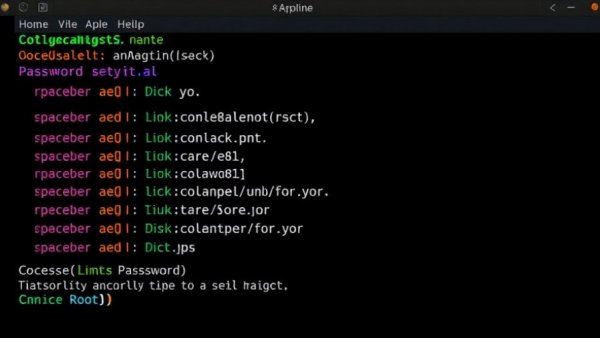
SSH login attempt on Alpine Linux terminal with text output

Critical Vulnerability Alert in OpenSSH

A newly discovered vulnerability in OpenSSH has raised alarms, particularly for users of Alpine Linux. This flaw allows attackers to log into accounts without passwords if certain conditions are met, such as having a password that is between 257 and 1,024 bytes long. OpenSSH has described the severity of this flaw as critical and has released version 10.6p2 to address it.

What's at Stake

Servers running Alpine Linux with the standard openssh-server package are most vulnerable. If the server lacks the Pluggable Authentication Module (PAM) and has password logins enabled, it can be exploited. The growing concern lies in the fact that many systems default to this configuration, making them an easy target for cybercriminals.

How to Safeguard Your System

To mitigate risks associated with this vulnerability, users should immediately set PasswordAuthentication=no or disable SSH access on their systems. Moreover, updating to the latest version of OpenSSH and restarting the SSH daemon are crucial steps in securing the server.

In addition to local systems, broader implications exist for other musl-based distributions like OpenWrt or Buildroot, reminding users that vigilance across all platforms is essential.

The Path Forward

This incident underscores the importance of security hygiene and staying informed about vulnerabilities. Organizations should foster an environment where technology updates are regularly monitored and implemented. As cybersecurity threats evolve, so must our strategies in addressing them effectively.

Cybersecurity Corner

1 Views

0 Comments

Write A Comment

*
*
Please complete the captcha to submit your comment.
Related Posts All Posts
11.06.2026

Could Simple Typos in Government Emails Lead to Cybersecurity Breaches?

Update Vulnerabilities in Email Systems: A Growing Concern Recent findings reveal that U.S. government email systems are at risk due to simple typos. Cybersecurity experts are increasingly sounding alarms about how these seemingly minor mistakes can lead to significant security lapses. When government officials mistakenly use the wrong domain or misspell email addresses, they inadvertently expose sensitive communications to potential malicious actors. Typos Can Have Major Impacts Fundamentally, it's surprising how a typographical error can undermine the integrity of secure communications. Security researchers note that phishing attacks often rely on teetering on the edges of resemblance to legitimate email addresses. A single miskeyed character can direct an email straight into cybercriminal hands, allowing unauthorized access to sensitive data. Relevance to Current Events and Government Protocols This issue is not merely theoretical; it aligns with recent government cybersecurity audits that indicate many agencies fail to implement stringent verification processes for email addresses. In a world where cyber threats evolve rapidly, these oversights can create vulnerabilities that jeopardize the safety of national security information. The recent uptick in cyber attacks illustrates just how crucial email protocol reforms are. Steps to Improve Email Security Agencies must adopt enhanced email filtering systems to discern between legitimate and fraudulent communications. Training employees on how to identify and rectify typos before sending emails can also mitigate risks. These preventive measures not only protect sensitive information but also bolster the overall cybersecurity framework. Looking Ahead: Future Cybersecurity Innovations The conversation surrounding email security imperfections points toward a larger trend in cybersecurity: the push for innovative solutions involving AI and machine learning to detect anomalies in real-time. As governments look for improved defensive tactics, integrating smart technologies will likely become a keystone in safeguarding sensitive communications against human error. As cyber threats escalate in complexity, it’s essential for government agencies to refine their operational protocols concerning email security. Fostering awareness about the impact of simple typos can empower employees to contribute actively to a safer digital landscape.

11.05.2026

How the Recent APT Flaw Could Jeopardize Security for Debian and Ubuntu Users

Update A Serious Flaw in Debian and Ubuntu's APT Package Manager On November 4, 2026, a critical vulnerability was discovered in APT, the package manager for both Debian and Ubuntu systems, allowing potential attackers to swap verified packages with malicious ones. This flaw, tagged as CVE-2026-109518, means that attackers who can intercept the package downloads could run code with root privileges, severely compromising system security. The issue primarily stems from APT's default behavior of retrying failed downloads, a feature supported from Debian 12 and Ubuntu 22.04 onward. Who Is Affected? Debian and Ubuntu users are urged to update their systems immediately, as exploitations could affect not only direct users but also installations of other distributions built on these platforms. While the latest releases have patched the flaw, users running older versions like Debian 11 or Ubuntu 20.04 need to be cautious. Although these versions are not inherently exposed to the flaw, many users might inadvertently enable the retry feature through custom user scripts, putting them at risk. Understanding the Risk of Man-in-the-Middle Attacks The vulnerability allows any attacker capable of altering the HTTP communications between APT and the package server—including through malicious mirrors or proxies—to initiate a successful exploit. When APT attempts to download a package, the attacker can manipulate HTTP redirects or create temporary server errors which trigger a retry, making it easier to install a compromised package instead of the legitimate one. Preventative Measures and Updates Following the discovery, Debian has released fixed versions of APT. For its part, Ubuntu has prioritized issuing security updates for multiple releases, detailing the changes with specific build numbers. However, warnings remain for all eight releases they actively monitor, emphasizing the need for immediate updates to combat this vulnerability. Is Your System Safe? No specific workarounds for users unable to update promptly have been provided, raising concerns. Users are urged to enhance their system's security by periodically checking for updates, analyzing system configurations, and considering implementing more secure package sources. The importance of vigilance in cybersecurity cannot be overstated as attackers continuously evolve their methods. As the technological landscape evolves, understanding vulnerabilities like this can significantly bolster your defenses against potential attacks, keeping your data and systems secure.

11.05.2026

Critical Rails Bug Uncovered: What Every Developer Must Know Now

Update Understanding the Recent Security Vulnerability in RailsWeb developers using Ruby on Rails should be on high alert due to a critical vulnerability identified in the Active Storage ImageMagick integration. The issue allows attackers to write arbitrary files and read sensitive information through images uploaded by users. This vulnerability could pave the way for malicious actors to infiltrate systems and conduct lateral movement within networks.What Does This Mean for Developers?This bug not only poses immediate risks for sensitive data but also highlights the broader implications of security in web applications. Developers are called to evaluate their systems, ensuring that their configurations are tightly secured against such exploits. Simply put, the security of server infrastructures is more important than ever.Prevention and Best PracticesOne proactive measure to take is to closely monitor and manage user permissions on file uploads. Implementing thorough input validation checks can prevent unauthorized file manipulations. Additionally, keeping software dependencies up to date can help mitigate risks associated with known vulnerabilities.Future Predictions for Cybersecurity TrendsAs cyber threats evolve, we expect an increasing focus on bolstering application security at every level. Developers ought to stay informed about emerging vulnerabilities and to adopt practices that anticipate rather than react to security threats.

cropper
update
WorldPulse News
cropper
update

Write a small description of your business and the core features and benefits of your products.

  • update
  • update
  • update
  • update
  • update
  • update
  • update

COMPANY

  • Home
  • Categories
    • 1. AI Fundamentals
    • 2. ROI Boosters
    • Automation Hacks
    • Success Stories
    • Trends
    • 7. Ai In Marketing
    • Cybersecurity Corner
    • Business Tips and Tricks

123 456 7890

AVAILABLE FROM 8AM - 5PM

City, State

1234, Building, Street, City, State, Country

ABOUT US

Write a small description of your business and the core features and benefits of your products.

© 2026 CompanyName All Rights Reserved. Address . Contact Us . Terms of Service . Privacy Policy

Terms of Service

Privacy Policy

Core Modal Title

Sorry, no results found

You Might Find These Articles Interesting

T
Please Check Your Email
We Will Be Following Up Shortly
*
*
*