The Evolution of Google Tag Manager
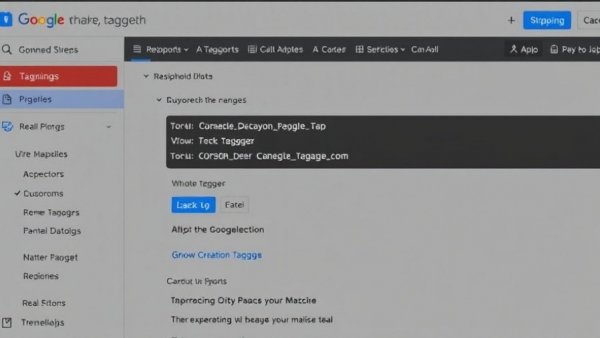
The recent merge of Google Tag and Google Tag Manager (GTM) marks a significant leap in the analytics landscape. No longer are users burdened with the limitations of both technologies operating separately; instead, the GTM container now boasts all the features of a Google Tag. This evolution simplifies the tagging process, providing marketers with enhanced control and streamlined operations.
Benefits of the New Tagging Experience
The primary advantage of this merger is how destinations and settings are now unified within a single interface. By enabling Google Ads, GA4, and Floodlight to operate under one GTM container, companies can now manage their tagging permissions more effectively. With new Destination tags in place, data collection becomes more efficient without extra load from gtag.js resources, ultimately benefiting client-side performance.
Centralized Control for Enhanced Efficiency
As businesses integrate deeper into the digital space, the demand for effective data utilization rises. The revamped tagging experience centralizes settings, enabling seamless adjustments across all individual products linked to the GTM container. This streamlining allows for easy overrides of settings where necessary, empowering users while keeping data safety in mind. The ability to control data collection is vital, especially with growing privacy concerns from consumers.
Looking Ahead: Future Trends in Tag Management
The future of tagging technology appears bright with improved capabilities. As data privacy regulations continue to evolve, having a single point of control will help marketers maintain compliance while optimizing their campaigns. Users can look forward to further enhancements in GTM features, making it an essential tool for successful digital marketing strategies.
This merger represents more than just a technical change; it reflects the industry’s shift towards deeper integration and better data handling practices. For marketers, this new era of tagging represents not just efficiency, but also the potential for greater insights and ROI.





Write A Comment