
November 18.2026
2 Minutes Read

Unraveling the Optimizely Malware Attacks: Protecting Against Third-Party Risks

Multi-headed serpent in jungle symbolizes third-party vendor risks in cybersecurity.

Understanding the Breach: Third-Party Vendor Vulnerabilities

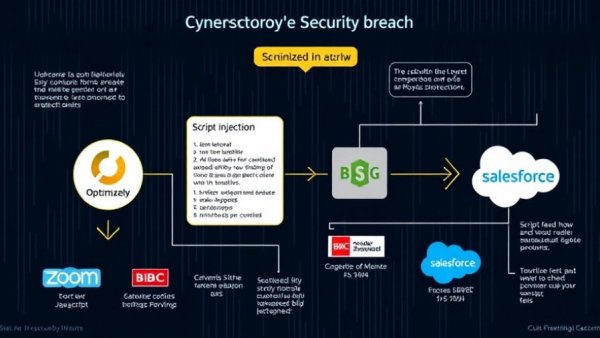
The recent malware attacks linked to Optimizely have sent alarm bells ringing through the digital marketing world. In total, at least 178 organizations unknowingly subjected their website visitors to sophisticated hydra-like malware, underscoring the significant risks posed by third-party vendors. This incident shines a spotlight on the tenuous security protocols many companies rely on when using external platforms for website services.

Why Third-Party Risks Are Growing

As businesses increasingly lean on third-party vendors, the risk profile becomes markedly more complex. These vendors can often access sensitive data, which if compromised, can lead to severe repercussions. A history of breaches emphasizes the importance of thorough vetting processes and robust cybersecurity measures. According to industry reports, third-party vulnerabilities accounted for over a quarter of cyber breaches in recent years, highlighting the urgent need for enterprises to reassess their reliance on external partners.

Implications for Brands and their Customers

The fallout from the Optimizely breach extends beyond direct financial loss; it can severely impact brand reputation and erode customer trust. In a marketplace that is ever more aware of data privacy issues, consumers may reconsider their engagements with brands that fall victim to such breaches. Organizations must actively communicate with their customers about the measures they are taking to safeguard data and restore trust.

Practical Steps for Mitigation

Companies should implement multi-tiered strategies to enhance their cybersecurity postures. This includes conducting comprehensive risk assessments, selecting vendors based on their cybersecurity practices, and integrating continuous monitoring tools. Moreover, educating employees about phishing attempts and other cybersecurity threats can help create a culture of vigilance.

In conclusion, while third-party vendors are essential for operational efficiency, neglecting their security can lead to dire consequences. Organizations must safeguard their customer data and brand integrity by proactively addressing potential vulnerabilities. Now is the time for businesses to shed complacency and reinforce their cybersecurity efforts to prevent falling prey to similar attacks.
Cybersecurity Corner

1 Views

0 Comments

Write A Comment

*
*
Please complete the captcha to submit your comment.
Related Posts All Posts
11.18.2026

How the Critical Puppet RCE Flaw Could Threaten Your Enterprise Security

Update Critical Puppet RCE Flaw: A Growing Concern for Enterprises The recent identification of a remote code execution (RCE) vulnerability in the Perforce Puppet software has sent shockwaves throughout the cybersecurity community. The flaw, classified under CVE-2026-115731 and boasting a critical CVSS score of 9.4, allows attackers to execute arbitrary code on Puppet servers by exploiting a deserialization of untrusted data within the software’s report-processing functionalities. According to the U.S. Cybersecurity and Infrastructure Security Agency (CISA), the implications of this vulnerability extend beyond mere server disruption. If exploited, not only can an attacker take control of the Puppet server, but they can also leverage this access to compromise entire networks, leading to catastrophic outcomes like ransomware deployment and mass data breaches. CISA’s warning about active exploitation only underscores the urgency for businesses to address this vulnerability. Understanding the Intrusion Mechanism Attackers can exploit this flaw via a crafted request containing malicious data. If a Certificate Authority (CA), when misconfigured, automatically signs requests without tight verification, malicious actors can impersonate legitimate users and gain unauthorized access. A Reddit user illustrated a real-world scenario where such exploitation occurred, highlighting that even minimal misconfigurations can lead to severe consequences. Essential Remediation Steps To mitigate the risks posed by this vulnerability, Perforce released patches for the affected Puppet versions, including Puppet Enterprise 2026.0.1 and 2025.12.1, among others. Businesses running these platforms are strongly encouraged to implement these updates promptly, especially Federal Civilian Executive Branch agencies, which are advised to secure their systems by December 1, 2026. This timeline emphasizes the critical nature of cybersecurity in enterprise settings and the necessity for timely action. The Bigger Picture: Cybersecurity in the Modern Age The Puppet flaw is a stark reminder of the vulnerabilities present in many enterprise infrastructure systems today. As organizations increasingly rely on automation and cloud integrations, the attack surface widens. Cybersecurity is no longer just an IT issue but a corporate imperative. High-profile data breaches and evolving threats necessitate a proactive rather than reactive approach in safeguarding sensitive data. Conclusion: The Call to Action Organizations must take cybersecurity seriously and foster a culture of vigilance and preparedness. The Puppet vulnerability serves as an alarming example of how rapidly technology can be exploited if not properly managed. Ensure your infrastructure is updated, regularly audit your systems, and educate staff on cybersecurity best practices. It’s not just about securing a server; it’s about protecting your entire network.

11.17.2026

How Hijacked Optimizely Scripts Compromised Major Websites: Key Security Lessons

Update Understanding the Security Breach: What Happened? The cybersecurity community is reeling after a significant breach involving hijacked Optimizely scripts, which led to the exposure of sensitive information for visitors of major platforms such as CNN, BBC, and Zoom. According to security experts, an attacker exploited a critical vulnerability in Optimizely's web experimentation tool to inject malicious JavaScript across approximately 178 organizations. The malicious code was designed to replace cryptocurrency wallet addresses and capture credit card details, though the total number of compromised card numbers remains unknown. The Malware's Mechanism and Impact This incident, dubbed "OPTIMJACK," operated through a compromised code snippet that many sites used for experiments. The code was deftly concealed, only becoming detectable during routine security analysis by firms like Report URI and Cynet. This clever hiding technique—such as using base64 encoding—made it challenging to spot the malicious payload unless closely monitored. The scope was vast, implicating noted enterprises like IKEA, HSBC, and Equifax, illustrating the breadth of the threat to online security. A Call for Supply Chain Vigilance In light of this incident, the focus must turn to supply chain security—a crucial factor as businesses increasingly rely on third-party services. Future breaches could be mitigated through stricter oversight and tighter security measures across platforms like Optimizely. Organizations need to understand the importance of securing their digital supply chains and ensuring that all third-party scripts are regularly audited for vulnerabilities. Lessons for Consumers and Businesses Ultimately, this breach serves as a reminder of the critical importance of cybersecurity hygiene for both consumers and businesses. Regular monitoring of scripts, promptly applying patches, and maintaining open communication with service providers are essential practices. As cyber threats evolve, staying ahead of potential risks requires vigilance and proactive measures in every layer of online interaction.

11.17.2026

Google Project Zero's New Bug Disclosure Guidelines: What It Means for Cybersecurity

Update Significant Changes in Bug Disclosure Practices In a surprising shift, Google Project Zero, one of the longest-running bug disclosure initiatives, has announced its plans to shorten the public disclosure timeline for security vulnerabilities from 120 days to just 30 days. This change will take effect over the next 14 months, raising eyebrows among cybersecurity experts and software vendors alike. The Implications of Speedy Vulnerability Disclosure This swift reduction in disclosure time is causing a divide among experts. On one hand, proponents argue that quicker disclosures will compel vendors to address security flaws more rapidly, thereby enhancing overall cybersecurity. By reducing the window of vulnerability, companies may be pressured to fix issues before they can be exploited by malicious actors. Conversely, skeptics worry that this rapid pace might lead to incomplete fixes or overlooked issues, endangering the very users these initiatives aim to protect. The fear is that rushes to patch could compromise software quality, leading to further vulnerabilities down the line. Historical Context: A Decade of Disclosure For over ten years, the 120-day timeline allowed for a thorough understanding of vulnerabilities, enabling vendors to communicate fixes and maintain a level of trust within the cybersecurity community. As the digital landscape becomes more complex, is shortening this time frame truly the answer? With increased attacks on software infrastructures, it's crucial to address this balance between urgency and thoroughness. Looking Ahead: Future of Bug Disclosure As this change unfolds, stakeholders in the tech industry will need to adapt their approaches. Those in leadership roles at software companies must brace for intensified scrutiny. Furthermore, expert opinions cannot ignore the increasing attack vectors against software applications, making swift disclosure more relevant than ever. Decisions for the Cybersecurity Sector Companies should start re-evaluating their patch management processes. Preparing for this shortened timeline could become a competitive edge, offering businesses that embrace speed and quality an opportunity to strengthen consumer trust. This critical juncture calls for innovation in response strategies and better collaboration between developers and security researchers to mitigate risks. In summary, Google Project Zero's decision to slash bug disclosure deadlines invites both promise and challenge in the cybersecurity realm. As companies adjust to this new landscape, the focus remains on maintaining the delicate balance between urgency and maintaining secure systems.

cropper
update
WorldPulse News
cropper
update

Write a small description of your business and the core features and benefits of your products.

  • update
  • update
  • update
  • update
  • update
  • update
  • update

COMPANY

  • Home
  • Categories
    • 1. AI Fundamentals
    • 2. ROI Boosters
    • Automation Hacks
    • Success Stories
    • Trends
    • 7. Ai In Marketing
    • Cybersecurity Corner
    • Business Tips and Tricks

123 456 7890

AVAILABLE FROM 8AM - 5PM

City, State

1234, Building, Street, City, State, Country

ABOUT US

Write a small description of your business and the core features and benefits of your products.

© 2026 CompanyName All Rights Reserved. Address . Contact Us . Terms of Service . Privacy Policy

Terms of Service

Privacy Policy

Core Modal Title

Sorry, no results found

You Might Find These Articles Interesting

T
Please Check Your Email
We Will Be Following Up Shortly
*
*
*